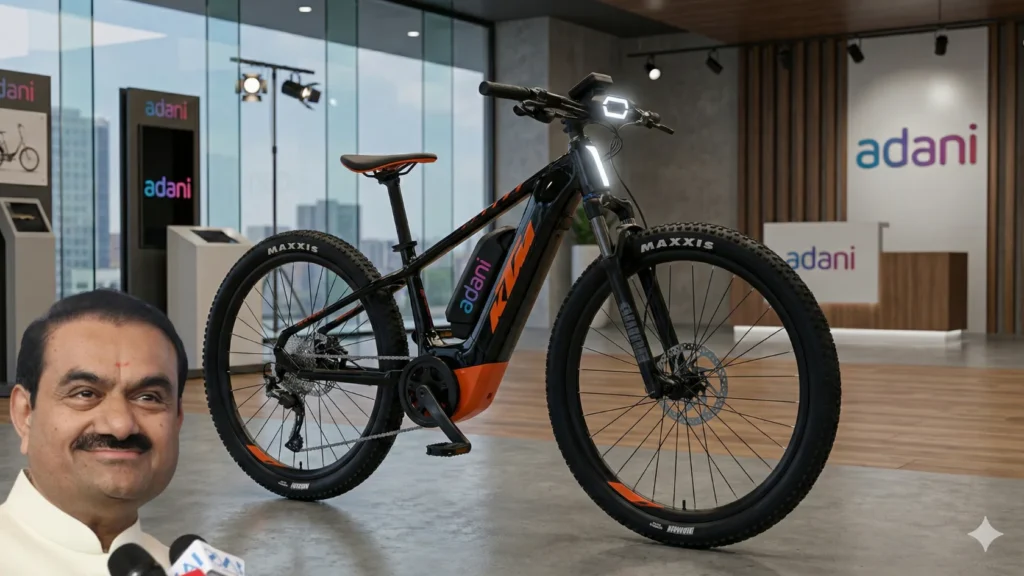
Adani Electric Cycle: Budget mobility stories go viral when the numbers look unreal for the price, and that is why this Adani electric cycle talk is spreading fast. A ₹8,999 price tag targets poor students and low-income riders who usually depend on buses or shared autos. The 160Km range claim sounds like a full week of college travel on one charge, and the 60Kmph top speed line creates instant “scooter-level” curiosity. This combination is exactly why people click and share, because it feels like a shortcut to cheap daily commuting. The real value for buyers comes from real-world range under load, battery quality, braking safety, and service support after purchase.
Daily Build And Road Comfort
An electric cycle used by students must survive potholes, dust, rain splash, and daily rough handling. Frame weld quality decides whether the cycle cracks under load. Tyre grip matters because cheap tyres slip on wet roads, and brakes decide safety in sudden traffic stops. Suspension fork stability is important because wobble at higher speed becomes dangerous quickly. Seat comfort and handlebar posture decide whether a 30–60 minute ride feels manageable. Wiring insulation and connector sealing matter because water and dust damage is the biggest reason budget e-cycles fail early.
Also Read: Bajaj Electric Cycle Pro Launch.! 150Km Assist Range, Removable Battery and ₹6000 Down Payment
Range And Charging Reality
A 160Km range claim depends on rider weight, tyre pressure, road gradient, wind, and assist level. In real Indian usage, a practical band sits around 60–160Km depending on battery capacity and riding mode. If a student rides 12Km per day, even 60Km real range gives 5 days per charge, and 100Km gives 8 days. Charging time depends on battery size and charger power, and most cycles charge on a normal socket. For daily use, consistent range is more important than peak claims, because students plan commute around fixed class timing.
Speed And Safety Reality
A 60Kmph top speed is the biggest risky hook because electric cycles are not built like scooters. Safe control depends on tyre width, brake quality, frame stability, and road surface. A practical safe speed for most e-cycles stays around 20–25Kmph for stable braking distance and safe handling. If a cycle actually reaches 60Kmph, it needs scooter-grade tyres, suspension, and braking hardware, otherwise the accident risk becomes high. For poor students, the real requirement is safe, predictable assist and stable stopping power, not extreme top speed.
Features And Security Focus
A usable display should show battery percentage, speed, and assist mode. Front and rear lights are essential for early morning and evening travel. A battery lock and alarm matter because e-cycles are easier to steal than scooters. Warranty clarity on battery and motor matters because those parts decide long-term cost. Service access matters more than branding, because one battery failure can kill the whole savings story. For students, reliability and spare availability are the real premium features.
Price And Monthly Math
Adani electric cycle is expected to be priced at ₹8,999 for the entry version, which places it in the ultra-budget segment. If the battery is charged at ₹8 per unit and a 0.4–0.8kWh full charge costs ₹3.2–₹6.4, and real range sits around 60–120Km per charge, running cost stays around ₹0.05–₹0.11 per Km. Even with 300Km monthly riding, electricity spend stays around ₹15–₹33 per month, which is why this ₹8,999 cycle story spreads fast among poor students looking for the cheapest daily commute.